Bone is living tissue, constantly broken down and rebuilt. Until roughly the age of 30 the balance favours building; afterwards, the balance gradually shifts, and bone density slowly declines.
For women that decline accelerates around menopause. Because bone loss is painless until a fracture occurs, it is one of the easiest health issues to overlook entirely.
Why vitamin D deficiency is common in a sunny country
It seems paradoxical, but vitamin D deficiency is widespread across India, including in cities with abundant year-round sunshine. Several reasons converge: predominantly indoor working lives, air pollution that filters ultraviolet B radiation, clothing that covers most of the skin, widespread use of sunscreen, and higher melanin levels, which reduce the efficiency of vitamin D synthesis in the skin.
Vitamin D matters for bone because it governs how much calcium the gut can absorb from food. Without adequate vitamin D, a substantial share of dietary calcium is simply not absorbed — meaning calcium intake alone tells you little.
How the three nutrients work together
These are frequently discussed separately, but they operate as a system:
- •Calcium is the structural mineral — the raw material of bone
- •Vitamin D controls absorption, determining how much dietary calcium actually enters the bloodstream
- •Vitamin K2 activates osteocalcin, a protein involved in binding calcium into the bone matrix
- •Magnesium participates in converting vitamin D into its active form
Dietary sources worth knowing
Indian diets contain more calcium sources than people often realise. Milk, curd and paneer are the obvious ones, but ragi is exceptionally calcium-dense, and sesame seeds, almonds, amaranth, green leafy vegetables such as methi and amaranth leaves, and small fish eaten with bones all contribute meaningfully.
Vitamin D is far harder to obtain from food. Sensible sunlight exposure remains the primary route for most people, alongside fortified foods where available.
Exercise matters as much as nutrition
Bone responds to mechanical load by becoming denser. Nutrition supplies the materials, but load provides the signal to use them.
Weight-bearing activity — brisk walking, stair climbing, resistance training — stimulates bone formation in a way that swimming and cycling, though excellent for cardiovascular health, do not. Balance training such as yoga or tai chi reduces the risk of falls, which is what actually causes most fractures in later life.
When to seek medical advice
Talk to a doctor about bone health if you are post-menopausal, have a family history of osteoporosis or hip fracture, have taken corticosteroids long term, have lost height, or have sustained a fracture from a minor fall. Bone density can be measured with a DEXA scan, and vitamin D status with a simple blood test.
Supplements should follow assessment rather than assumption. Vitamin D is fat-soluble and accumulates in the body, so excessive unsupervised intake can cause harm — including dangerously high blood calcium. Calcium supplementation also needs individual consideration, particularly for anyone with a history of kidney stones or kidney disease. Nutritional supplements support general nutrition and are not a treatment for osteoporosis or any other diagnosed condition.
Frequently Asked Questions
How much sunlight do I need for vitamin D?
It varies with skin tone, latitude, season and time of day, so no single figure fits everyone. Mid-morning exposure to arms and legs several times a week is a common general suggestion, but a blood test is the only way to know your actual status.
Is vitamin K2 the same as vitamin K1?
No. K1, found mainly in green leafy vegetables, is primarily involved in blood clotting. K2 has a greater role in directing calcium into bone tissue. If you take anticoagulant medication, discuss any vitamin K intake with your doctor first.
Can supplements replace a calcium-rich diet?
No. Food provides calcium alongside protein and other nutrients that bone also requires. Supplements are intended to supplement, not replace, a balanced diet.
Does osteoporosis cause symptoms early on?
Usually not. It is often described as a silent condition, and the first sign is frequently a fracture. This is why risk assessment matters rather than waiting for symptoms.
Medical disclaimer. This article is general health education and is not medical advice. It does not diagnose any condition and does not recommend any medicine for any individual. Prescription medicines must be taken only on the advice of a registered medical practitioner. If you have symptoms or health concerns, please consult a qualified doctor.
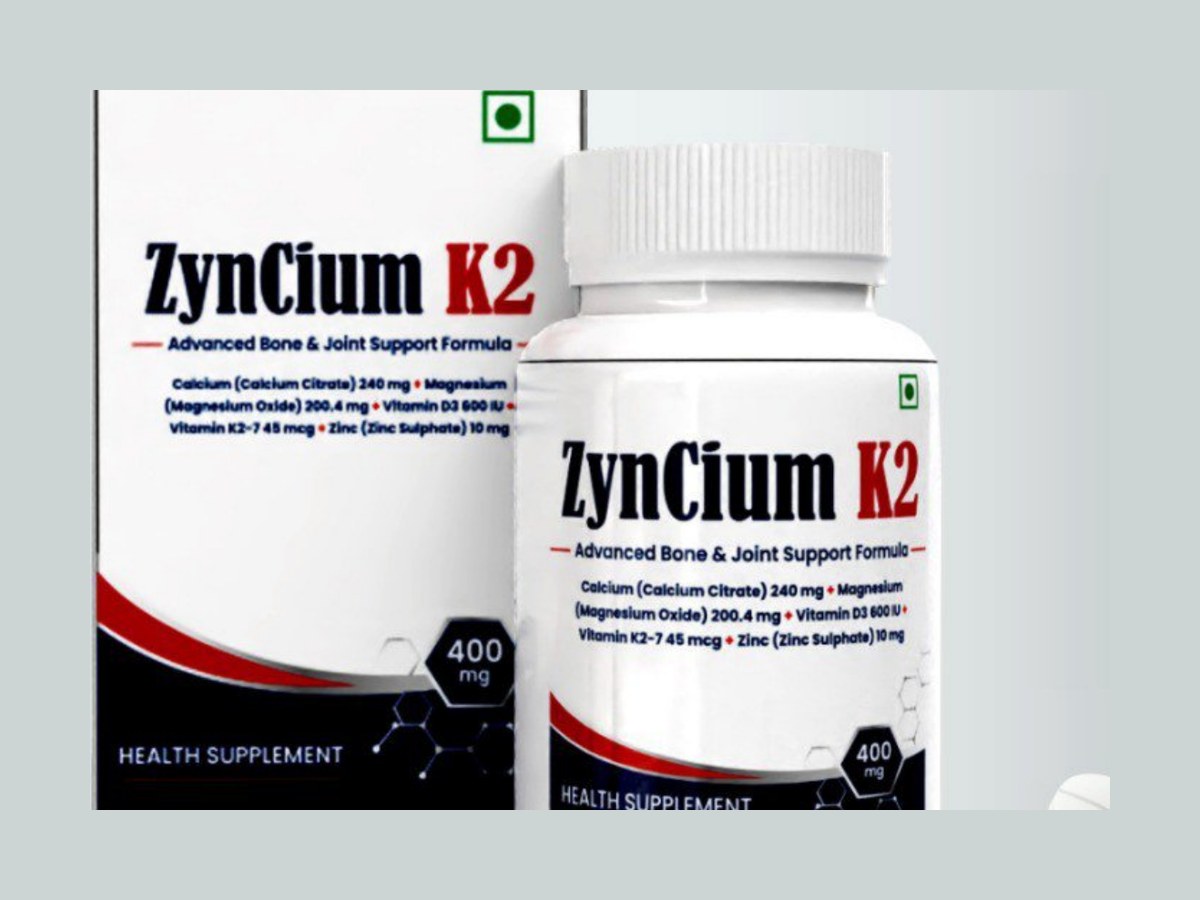
From the Keroli Healthcare portfolio
Listed for the information of healthcare professionals and trade partners. This is not a treatment recommendation — product selection is a matter for the prescribing doctor.